

Doing with, not for people….
Reablement is a holistic, person-centred approach to support people who may experience limitations in their daily functioning due to age, illness, or disability. The core principle of reablement is to tailor support that responds directly to a person’s unique needs, abilities, and goals. Rather than providing one-size-fits-all care, providers work collaboratively with people to identify what matters most to them. It may also mean establishing clear and meaningful goals that guide the support provided.
Reablement may involve breaking down activities of daily living (ADLs)—such as bathing, dressing, meal preparation, or moving around the home—into manageable, achievable steps. This incremental approach ensures progress feels attainable. It may also allow for the gradual development of skills and confidence. Within the care model, providers can use behaviour change strategies, such as goal setting, and feedback. By leveraging these methods, they support people to adopt new habits, overcome barriers, and develop lasting self-management skills.
Ultimately, reablement aims to foster greater self-confidence and self-reliance. As people experience small victories and regain abilities, they often report a renewed sense of autonomy and well-being. This aim is also to reduce using long-term care services, improved quality of life, and the ability to continue participating in valued activities within the community.
In summary, reablement is not just about restoring function but about enabling people to lead lives that are as independent and fulfilling as possible.
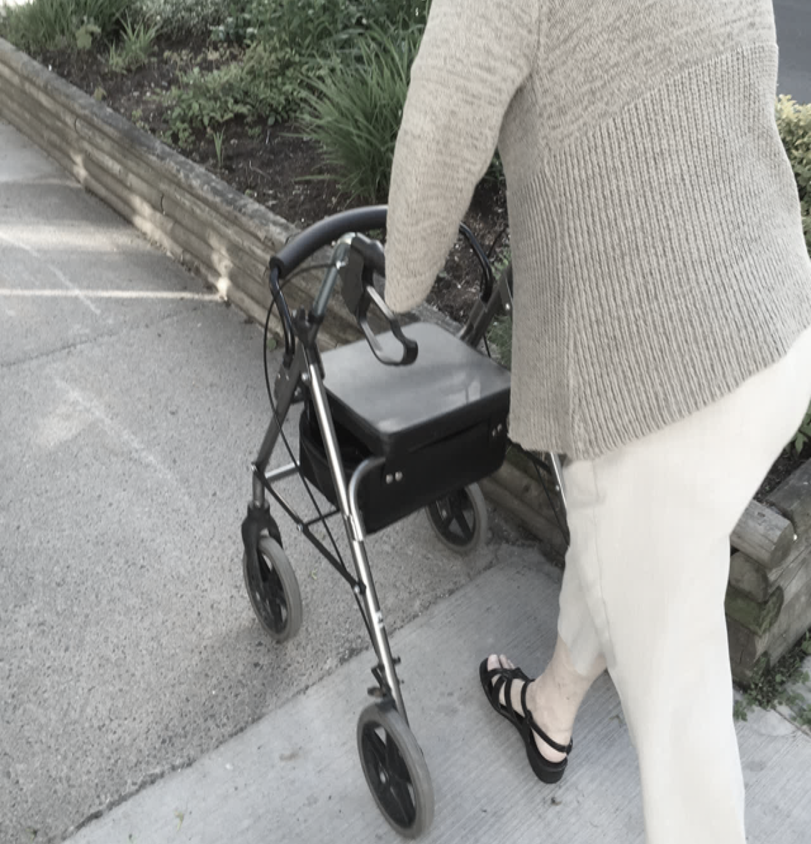
Reablement aims to support people to develop skills and training towards independence in everyday activities…
Reablement aligns well with social prescribing…
Together, reablement and social prescribing, are possible care models for people to regain autonomy and independence.
Publications and resources
…related to reablement.
Publication
Sims-Gould et al., Reablement, Reactivation, Rehabilitation and Restorative Interventions With Older Adults in Receipt of Home Care: A Systematic Review. Journal of the American Medical Directors Association. 2017 Aug 1;18(8):653-663.
PubMedPublication
Ashe et al., Determinants of implementing reablement into research or practice: A concept mapping study. Physiotherapy Research International. 2022 Jul;27(3):e1949. doi: 10.1002/pri.1949.
Publication
Azim et al., Exploring behavior change techniques for reablement: A scoping review. Brazilian Journal of Physical Therapy. 2022 Mar-Apr;26(2):100401. doi: 10.1016/j.bjpt.2022.100401.